-
·
Beyond Debunking: Participatory Fact-Checking in the Age of AI | Caroline Lindekamp
How can fact-checking build resilience to AI-driven disinformation? Caroline Lindekamp explains CORRECTIV.Faktenforum, citizen participation, reusable evidence, multilingual verification and the importance of critical thinking.
-
·
Can We Prove Where News Comes From Without Proving It Is True?
CleanFeed shows why provenance is not the same as truth. C2PA, content identifiers and editorial transparency answer different questions. Explore how technical authentication can support—without replacing—critical journalism. https://disinfo.science/dresden-2026-recordings/ Should a verified source make you trust a claim, or only tell you whom to hold accountable? #Disinformation #MediaProvenance #Research
-
·
Eight Findings, Thirteen Challenges: The Full Dresden Report Is Published
📖 Disinformation is not just about fake content. It’s about operations, audience data and social feedback. Our new 40-page, open-access Dresden report develops a socio-technical model, synthesises 8 cross-cutting findings and identifies 13 emerging research challenges. Now citable on Zenodo: Explore the evidence, challenge the conclusions and help build the research agenda. ❓ Which research challenge should…
-

·
Can You Spot Fake News? Try JudgeGPT — and Discover Why AI-Generated Does Not Mean False
🧠 Can you tell whether a news story is human-written or AI-generated? And can you tell whether it’s true? These are TWO different questions. JudgeGPT lets you test both — and contribute to research on human judgement of synthetic news. Try the interactive challenge and compare your intuitions with the evidence. ❓ Which is harder for you:…
-
·
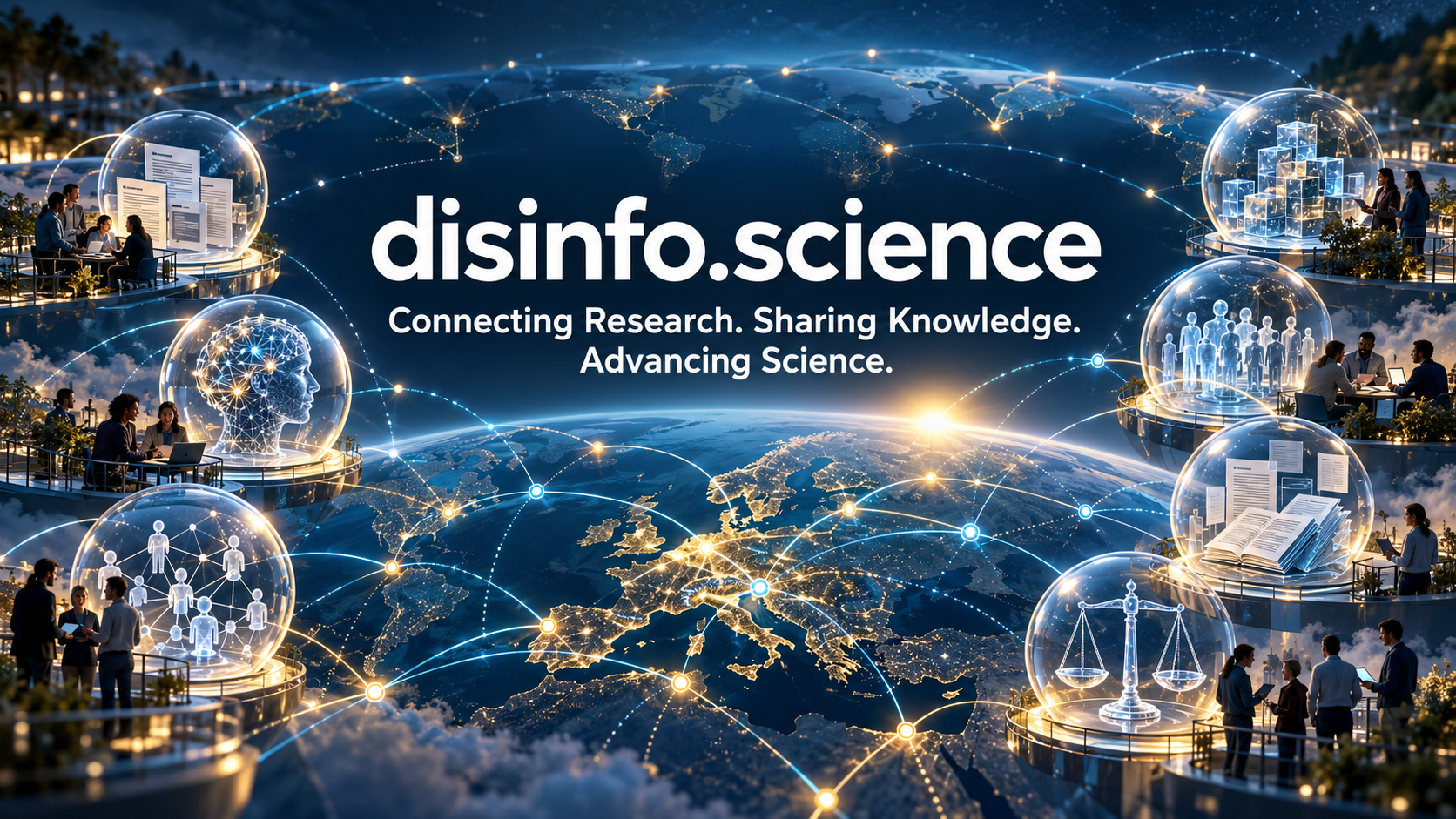
A New Home for Disinformation Research: Welcome to disinfo.science
🌍 Disinformation crosses borders, disciplines and institutions. Our research collaborations should do the same. Following the interdisciplinary Dresden workshop, disinfo.science is growing into an open resource connecting research projects, researchers and scientific expertise worldwide. Explore the Research Atlas, scientific findings and shared research agenda—and help make complementary expertise easier to discover. ❓ Why is it still so difficult…
-
·
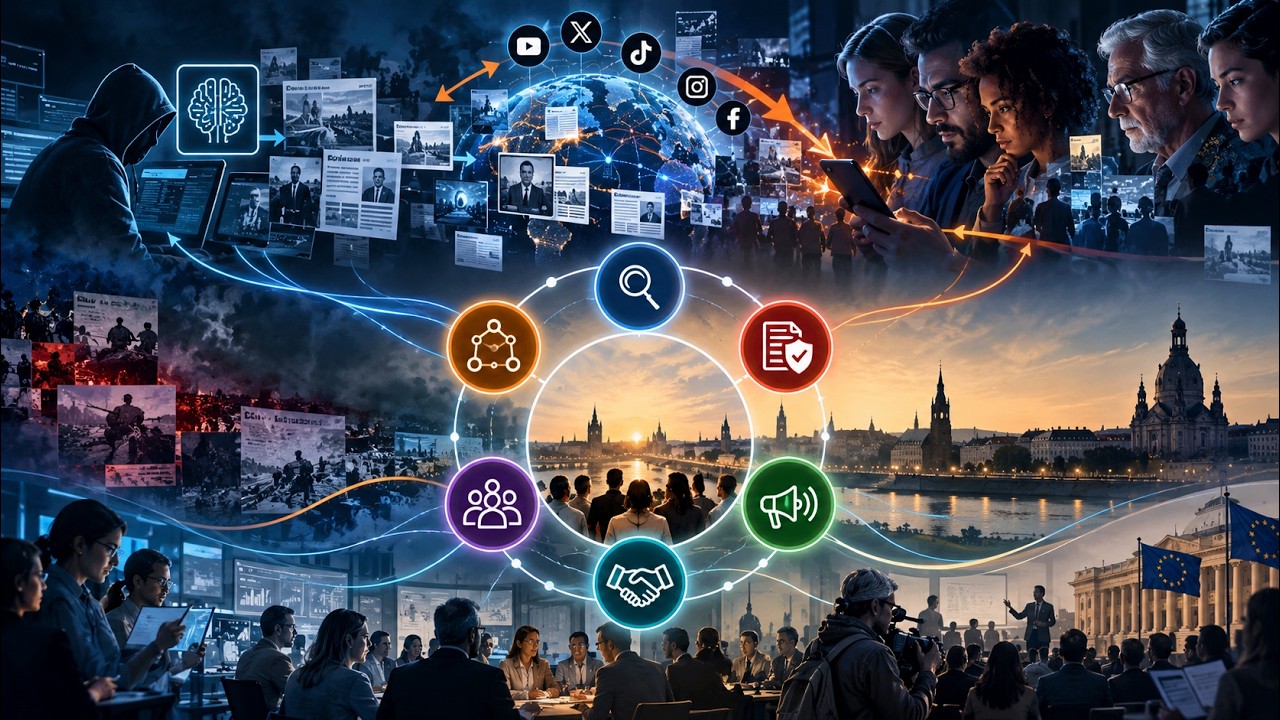
Watch: What Dresden Revealed About AI Disinformation
🎬 AI makes convincing content easier to produce. But what makes disinformation actually work? Our short Dresden outcomes film examines influence operations, audience data, social context and the need for coordinated scientific and institutional responses. Watch the film and discover the research behind the findings. ❓ Which stage of the disinformation lifecycle deserves substantially more scientific attention? #Disinformation #GenerativeAI…
-
·
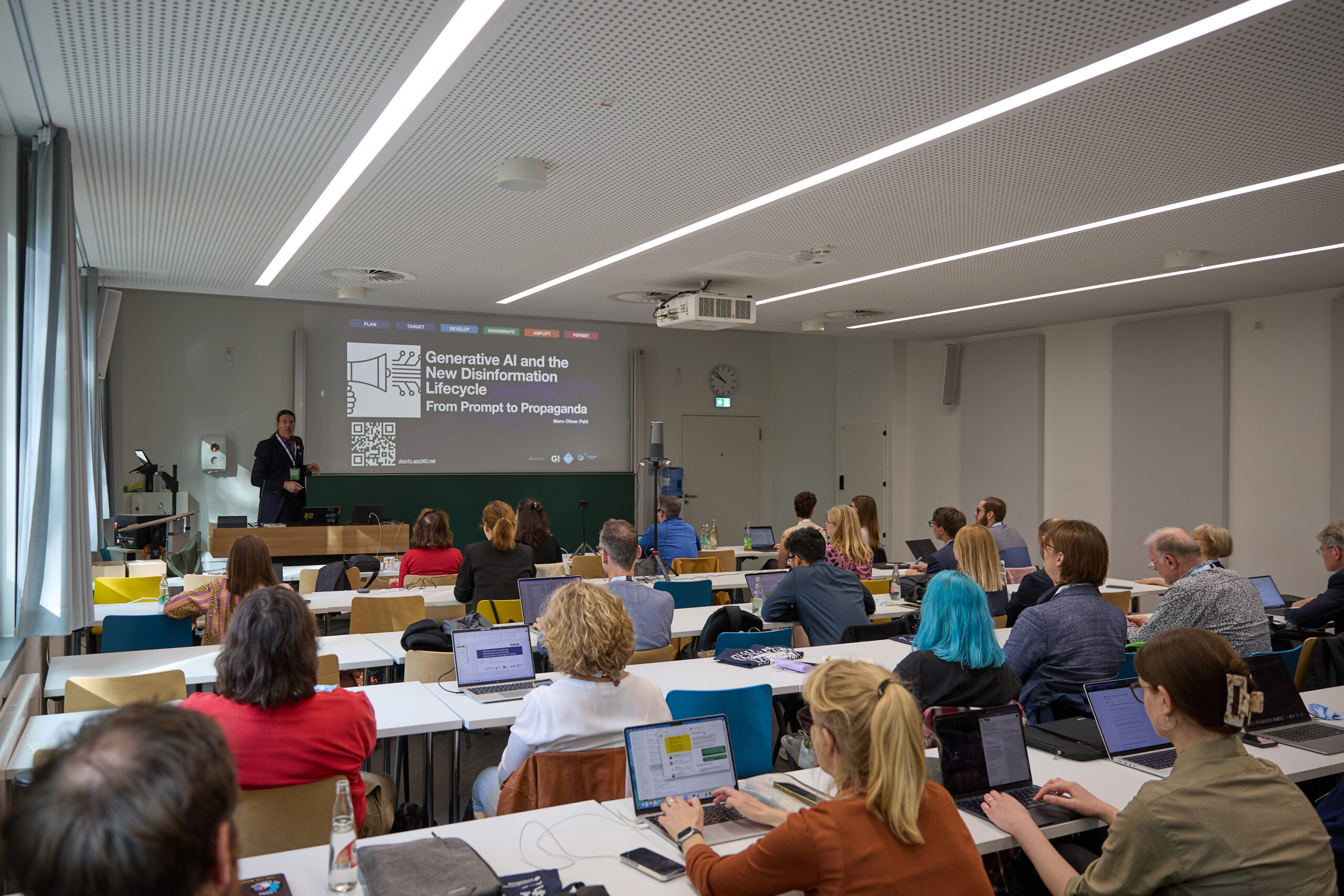
Disinformation Space: From One Workshop to a European Research Community
🚨 Disinformation is changing. Our response must become more connected. The Dresden workshop brought researchers, fact-checkers, cybersecurity experts and institutions together to examine AI-enabled information manipulation. Its eight findings and thirteen research challenges helped lay the foundation for the growing Disinfo Science research community. Explore the scientific outcomes and contribute to the open Research Atlas. ❓ Which expertise…