
DISINFORMATION SPACE · RESEARCH & COMMUNITY
Understanding Disinformation.
Building Information Resilience.
Connecting researchers, projects and scientific expertise across disciplines and borders — to understand information manipulation and strengthen societal resilience.
Discover the people and projects behind the research
Disinformation research is spread across countries, institutions and disciplines. Our Research Atlas makes this expertise discoverable and invites everyone to contribute. Explore the emerging network of research topics, projects and people — then add your own work to help connect the community.
Open knowledge, shared by the community
Use it. Credit it. Help it grow. The Atlas brings together community knowledge you can explore here and take into your own research. Our original atlas metadata and database compilation are offered under CC BY 4.0, with third-party rights respected. Download, analyse and build on the work—and help others go further by sharing corrections, new entries and research made possible by the Atlas.
Discover how to use, cite and contribute →
A growing worldwide research community
- Atlas entries
- 106
- Projects
- 62
- Researchers
- 9
- Institution countries
- 41
- Listed outputs
- 60
Published atlas entries. Location counts describe institutions, not areas studied.
Explore a historical dataset
History begins at the installation baseline. Erasures can remove information from past views. Current software renders historical data.
Return to current AtlasExplore. Share. Build on it.
In the past 30 days, participating visitors recorded 0 browser-reported insight image downloads and 0 server-prepared CSV export responses.
Opt-in actions under counting policy 2026-10-25-v2. Duplicate, flagged, legacy and administrator records are excluded. Not verified humans, saved files, publications or impact; automation may remain.
Loading Research Project Atlas…
Explore a historical dataset
History begins at the installation baseline. Erasures can remove information from past views. Current software renders historical data.
Return to current AtlasConnections reflect recorded research relationships and shared topics; shared interests do not necessarily imply formal collaboration. Explore the network in full screen for a closer look.
Eight findings. Thirteen research challenges. One shared agenda.
Our interdisciplinary Dresden workshop brought together research, journalism, governance and practical experimentation. Its open scientific synthesis identifies eight findings and thirteen challenges — a starting point for joint research rather than a closed set of answers.
Operations, not isolated posts
Understanding manipulation means examining actors, targeting, distribution and impact together.
Technology and society
AI, psychology, communication, law and governance all contribute essential perspectives.
Trust and resilience
Verification, provenance, institutional accountability and public understanding must reinforce each other.
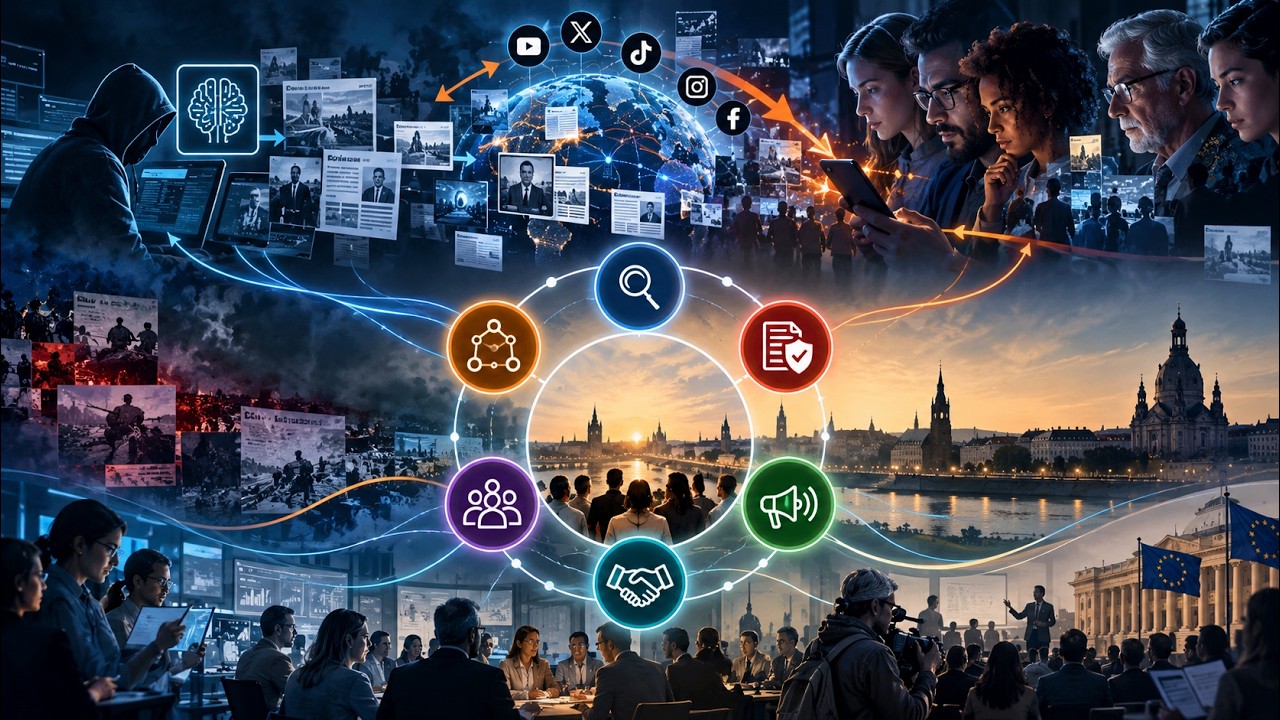
From Dresden to a global research community
From Prompt to Propaganda: Generative AI and the New Disinformation Lifecycle brought together scientific contributions, ecosystem perspectives and practical experiments at INFORMATIK FESTIVAL 2026. The recordings and report provide the foundation for the growing Disinformation Space initiative.
Watch the outcomes film ↗ · Explore Dresden 2026 → · Workshop recordings ↗
Built through interdisciplinary collaboration
Disinformation Space was initiated and scientifically led by Marc-Oliver Pahl and developed with collaborators across research, professional computing communities and Responsible AI education. These cards acknowledge contributions to the Dresden 2026 foundation; they do not imply a formally constituted steering committee.
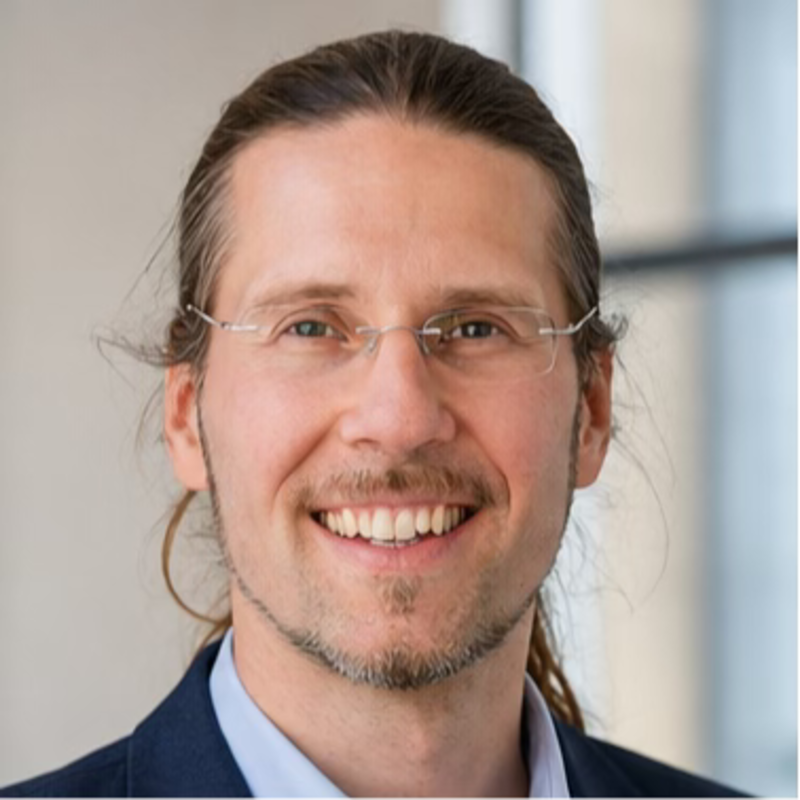
Marc-Oliver Pahl
Initiator & Scientific Lead
IMT Atlantique · GChACM · GI
Scientific framing, moderation and interdisciplinary synthesis.
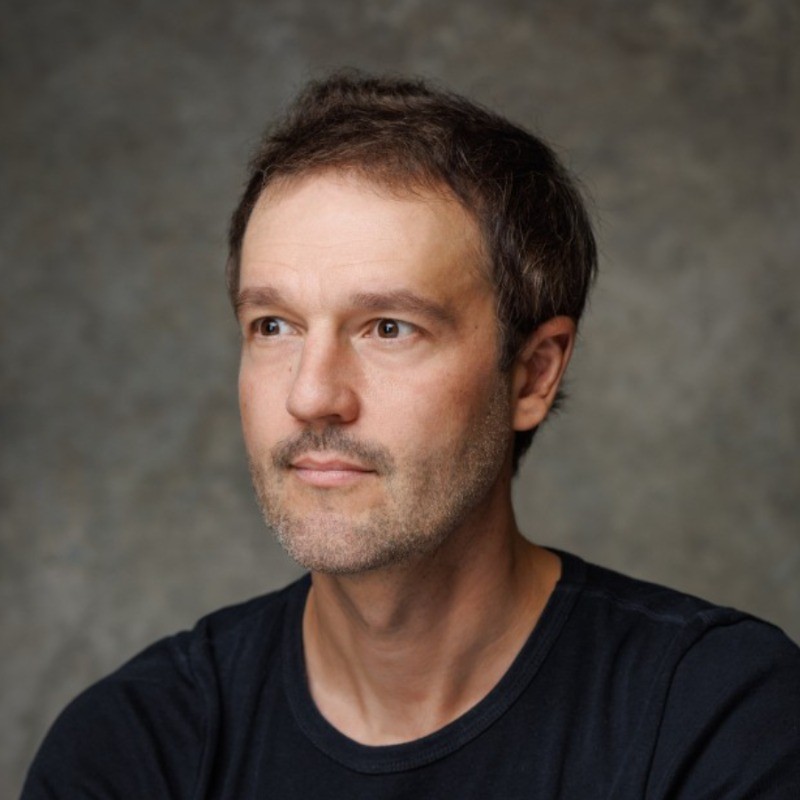
Michael Jülich
Workshop Co-organiser
aihorizon R&D
Responsible AI and educational collaboration.
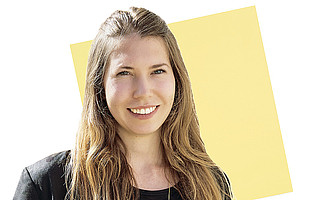
Maja Denisova
Workshop & Ecosystem Coordination
Gesellschaft für Informatik
German research ecosystem mapping and organisation.
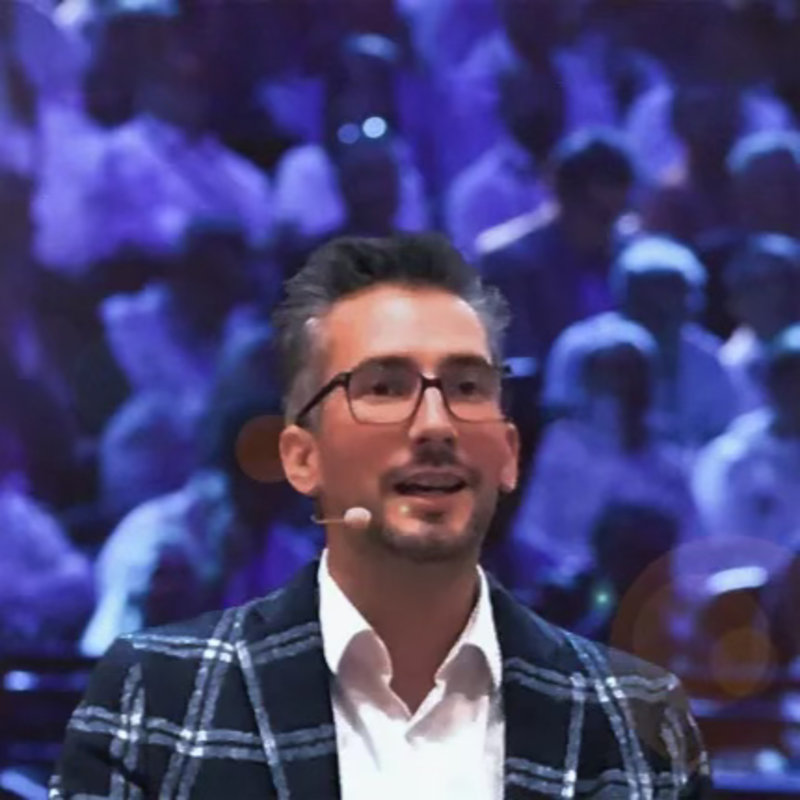
Alexander Loth
Scientific Collaborator
Frankfurt University of Applied Sciences · Microsoft
RogueGPT, JudgeGPT and human-perception research.
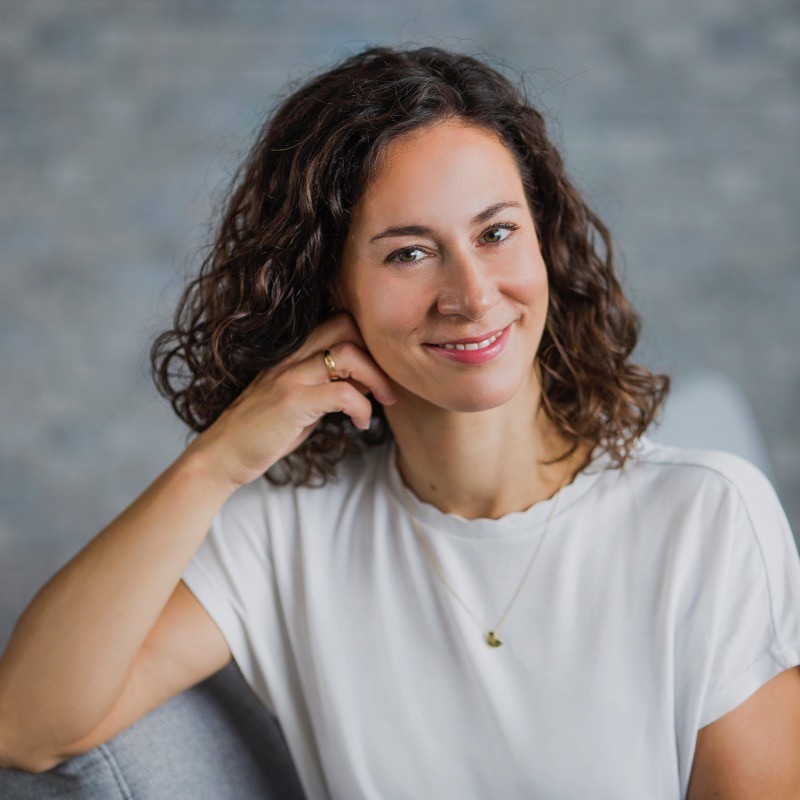
Anna Altmann
Workshop Organisation
aihorizon R&D · Hochschule Darmstadt
Preparation, on-site coordination and educational perspectives.
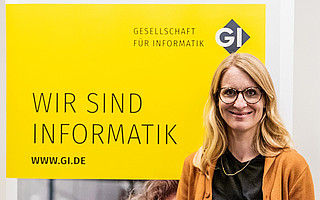
Anna Sarah Lieckfeld
Education & Society Leadership
Gesellschaft für Informatik e.V.
Head of Education and Society (Bereichsleitung Bildung und Gesellschaft), GI; institutional and community perspective.
We welcome researchers, research groups and institutions from every discipline. Contribute to the Research Atlas →
Wear the conversation: Want to help make disinformation research more visible in everyday life? Explore our community merchandise (light and dark editions).
Stay connected
Receive updates on research findings, projects, events and opportunities to collaborate.