Wear the conversation. Spread awareness, not disinformation.
Disinformation affects all of us. Research helps us understand how misleading narratives emerge, spread and influence society—but useful conversations should not stop at journal articles, conferences or classrooms. The disinfo.science merchandise is a simple, enjoyable way to make the initiative visible and invite those conversations into everyday life.
A first look at the merchandise
Here are two examples from the shop: a shirt and a mug. Explore the full range and the light and dark artwork options in Spreadshop.
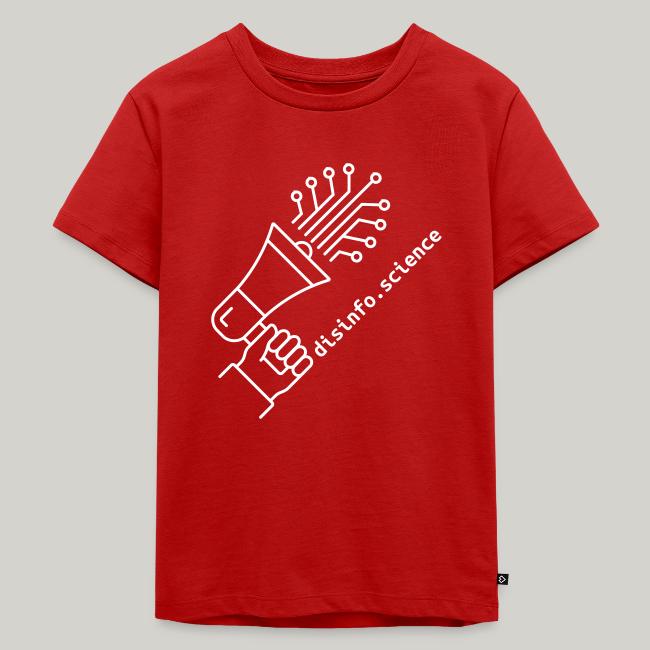

Two designs. One research community.
Light design
A lighter take on the disinfo.science identity. Explore available garments and other products in the shop.
Dark design
Prefer a darker look? Find the alternative disinfo.science design in the same shop.
The shop opens on an external website. Product selection, sizes, availability, pricing, shipping and checkout are shown there. We have not independently verified individual product listings here.
Your merchandise can start a conversation
Wear it at a conference, in a university lab, at a workshop—or simply wherever you go. If someone asks about the design, tell them about the open Disinformation Research Atlas, our research talks, and why trustworthy information matters.
Show us where you wear it
Share a photo on LinkedIn or another social platform with #DisinfoScience and a link to disinfo.science. We would love to discover where the community is represented. If we want to feature a photo on this website, we will ask for permission first. Photos are entirely optional—participation does not require a purchase.
More ways to take part
Merchandise is only one way to help. You can contribute a research project or resource, explore the Atlas, tell colleagues about the initiative, or subscribe to research updates below.
Transparency: Merchandise is sold through the external S2Labs Spreadshop, which manages the purchase and fulfilment process. This page promotes visibility for the disinfo.science initiative; it does not claim that a purchase constitutes a donation or directly funds research.